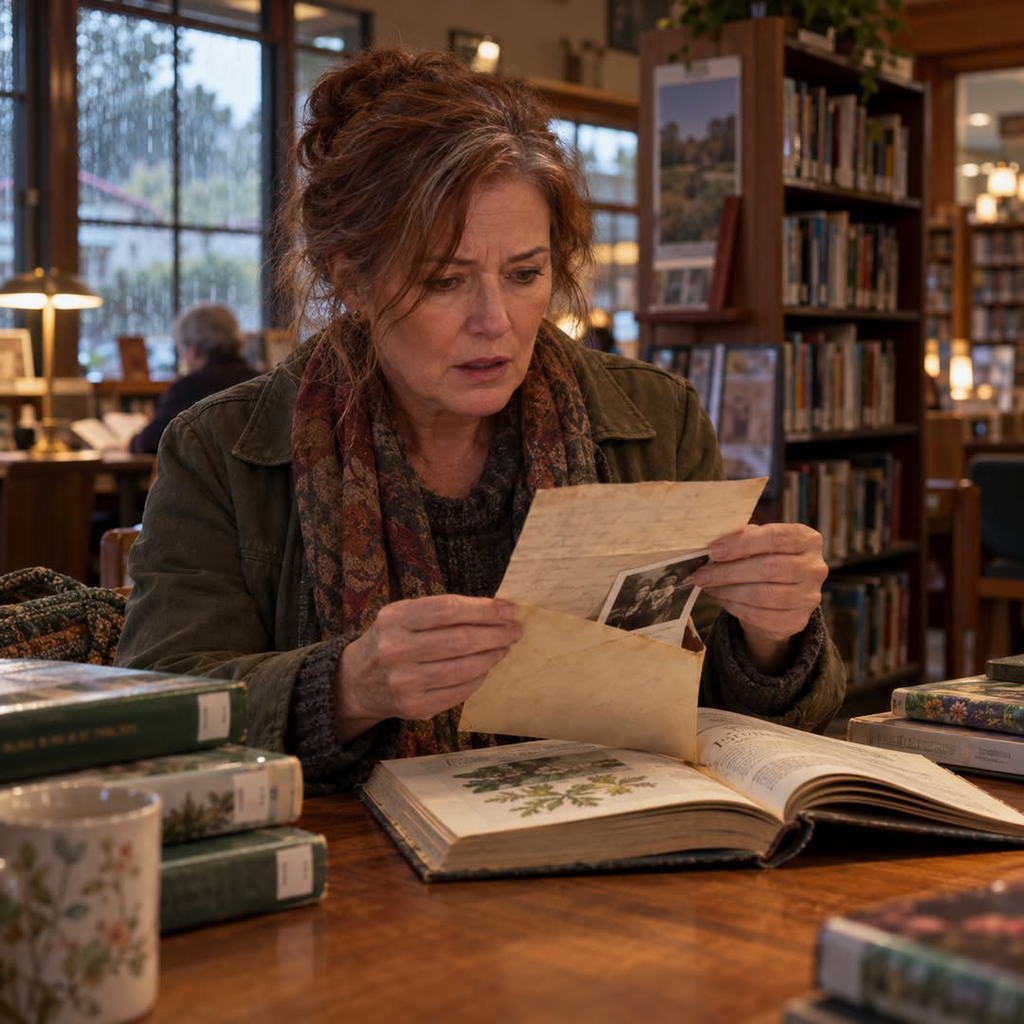
I volunteer at a small public library in regional New South Wales. One rainy Tuesday, I opened a returned gardening book to check a torn page. An unsealed envelope slipped out. Across the front was my first name, Ruth, and the words “Only if she still wants to know.”
Inside was a note from Helen, my former best friend. We’d fallen out after a community garden grant disappeared from the committee account. She thought I had accused her of taking the money. I thought she’d let me carry the blame for asking questions. We stopped speaking before either of us learned what had happened.
The note said there was a folder in the old garden shed that would explain the missing money. But the shed had been demolished five years earlier. At the bottom was a date from last week, and a phone number. I had to decide whether reopening the quarrel would heal anything or simply make it worse.
PART 2
I called the number after my shift. Helen answered with a hesitant hello. She told me she had written the note but lost her nerve about sending it. She had tucked it into the gardening book while browsing, hoping I’d find it on a volunteer day. It was a clumsy plan, and she knew it.
The folder hadn’t been destroyed with the shed. Helen had taken it home when the committee closed. She’d recently found the bank statements and minutes while clearing her garage. We met at a café with the papers spread between our cups.
The grant hadn’t been stolen. The committee had paid for a water tank from the wrong account, then recorded the transfer under an unclear description. Helen had known about the correction but assumed the treasurer would tell everyone. I had asked about the discrepancy in a meeting; Helen heard it as an accusation against her. Neither of us had checked the records together.
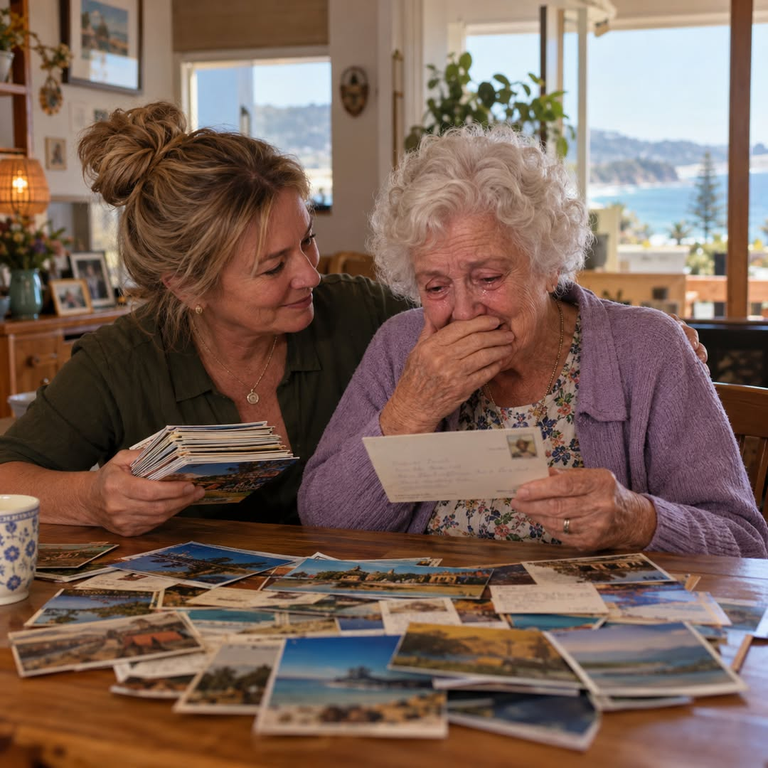
“I let you think I believed the worst of you,” she said. I admitted I’d repeated the story to two neighbours as if her silence proved something. We both had apologies to make, and we made them without pretending the misunderstanding was entirely someone else’s fault.
PART 3
Helen gave copies of the statements to the remaining garden committee members, who added a short correction to their archived records. We didn’t publish a dramatic exposé because there was no scandal to expose. There had been careless bookkeeping and years of pride.
I told the two neighbours I’d spoken to that I had been wrong to imply Helen had taken money. One remembered the conversation. The other didn’t. That made me realise how long I’d carried a grievance that the rest of the town had almost forgotten.
Helen and I don’t suddenly spend every afternoon together. We meet once a month to tend the new herb beds outside the library. Sometimes we talk about our grandchildren. Sometimes we talk about the years we lost. Both are harder than discussing the weather.
I returned the gardening book to the shelf after removing the envelope. On its inside cover I wrote a proper repair note about the torn page. Some things can be fixed with tape. Others need two people willing to read the whole story.