I had not collected a cent.
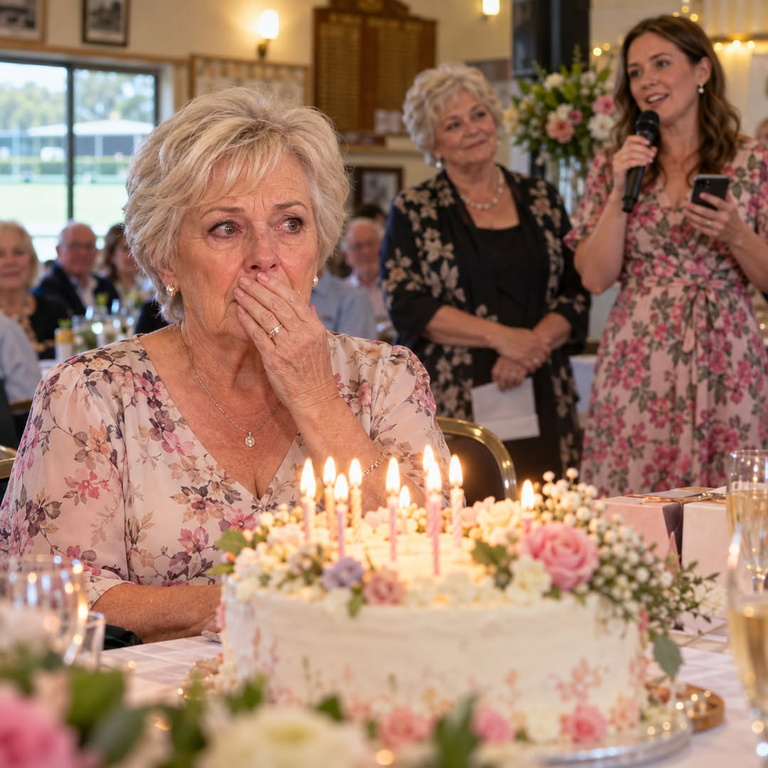
For thirty-two years I had managed the office at a small regional agricultural supplies business outside Wagga Wagga. I knew which farmers paid on Fridays, which invoices were usually late and where the spare stapler lived. On my last evening, the staff had booked a long table at the local pub. My daughter drove me there because she wanted me to enjoy a glass of wine without worrying about the trip home.
The empty seat was meant for our owner, Malcolm, who had called to say he’d be late. Someone had placed a farewell folder on his chair. The young accounts assistant, Priya, handed it to me and said Malcolm wanted me to sign the last page before dessert.
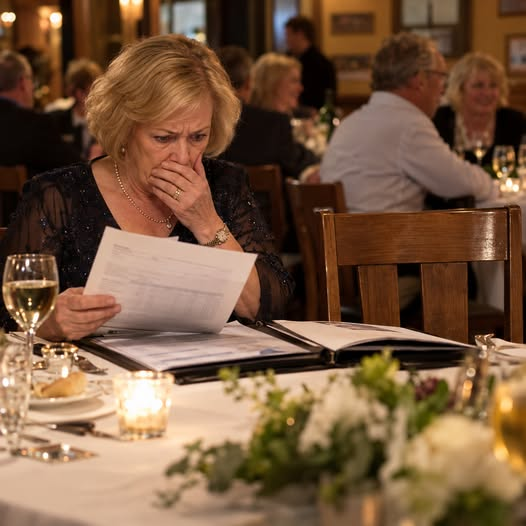
The first pages were harmless: a list of keys returned, the office alarm code transferred and my final leave balance. The last page was different. It was headed RETIREMENT CASH HANDOVER and said I had personally received $8,400 from the staff welfare account. My name was printed beneath a signature that looked almost like mine.
The amount mattered. The account held contributions for emergencies: a worker’s medical travel, a family displaced by flooding, a funeral when someone had nowhere else to turn. I had helped reconcile it every month. It was not a retirement gift, and I would never have accepted it as one.
I asked Priya where the cash was. She went quiet. At the far end of the table, our operations manager, Brett, stopped cutting his steak. He said Malcolm had arranged a private thank-you payment and the paperwork was only a formality.
Then I noticed the date beside the signature. It was yesterday’s date, when I had been at my granddaughter’s school concert, forty kilometres away.
I put the folder flat on the table and asked Brett one question: ‘Who signed my name?’
PART 2
Brett asked me to keep my voice down. I told him I was speaking at the same volume as everyone else. Priya looked frightened, so I asked her to sit beside me. I didn’t want an inexperienced employee carrying the blame for paperwork she had been told to deliver.
Malcolm arrived twenty minutes later. By then I’d photographed the page, asked Priya to keep the original folder intact and sent a message to our external bookkeeper requesting the welfare account’s most recent reconciliation. I had not accused anyone of taking money. A forged-looking acknowledgement was serious enough without guessing at the reason.
Malcolm read the page twice. He said he’d approved a retirement presentation but never a cash withdrawal. Brett insisted the $8,400 was a discretionary payment for my years of service and claimed I’d agreed to it in a conversation on Tuesday. I had spoken to Brett on Tuesday about the office keys. Nothing else.
Priya said she had prepared the handover sheet from a document Brett emailed her. He had told her the money was already in my possession and asked her to print my signature from an older scanned form so I wouldn’t have to deal with paperwork at dinner. She showed Malcolm the email on her phone. Brett said it was merely an administrative shortcut.
‘An administrative shortcut doesn’t put money in my hands,’ I said.
Malcolm rang the bookkeeper on speaker with my permission. The ledger showed a transfer of $8,400 out of the welfare account two days earlier, described as ‘retirement settlement’. It had gone to the company’s general operating account, not to me. The bookkeeper had queried the unusual transfer but had not yet received a response.
Brett finally admitted he’d moved the money temporarily. The business had a supplier payment due and he planned to replace the funds after a large customer settled an overdue invoice. He’d created the signed receipt so the month-end paperwork would appear complete. He said he hadn’t intended for me to see it until the account was replenished.
I felt sick. People had contributed to that fund because they trusted us to keep it separate from business expenses. Brett had used my farewell to give the transfer a false explanation. Worse, he had placed my name under it without asking.
Malcolm ended the dinner early for the three of us, but told the other staff they could stay and enjoy their meals. In a quiet office behind the pub, he wrote down what each person had said. He asked Brett to surrender access to the welfare account pending an independent review. I refused to sign anything that night, including a revised receipt that Malcolm offered to prepare. The truth needed recording, not tidying away.
PART 3
On Monday, the business’s external accountant reviewed the bank statements, transfer approval and supporting emails. The $8,400 had gone into the general operating account and was still traceable. The review found no evidence that I had received any of it. Malcolm arranged for the company to restore the full amount to the welfare account from unrestricted funds and provided the committee with the bank confirmation.
The committee that oversaw the fund was told exactly what had happened. Brett’s access was removed while the business obtained independent advice about the false acknowledgement and his conduct. I wasn’t asked to decide his punishment, and I didn’t pretend to know what would happen next. I only asked that the record show the truth: my signature had been reproduced without my permission, and no cash had been handed to me.
Priya apologised for printing the form. I told her she’d done the right thing by preserving Brett’s email and explaining what she’d been instructed to do. Malcolm introduced a two-person approval process for any welfare payment, with direct confirmation from the intended recipient. It should have existed long before my retirement.
A week later my former colleagues invited me to morning tea at the bakery. This time there were no folders, no signatures and no surprise transactions. Someone brought a card full of terrible jokes about finally escaping the filing cabinets. Priya gave me a little potted rosemary plant because she remembered I liked cooking. I went home feeling retired for the first time.
The original dinner still bothers me. Not because the speeches were interrupted, or because Brett embarrassed himself in front of people who knew him. It bothers me that he believed a trusted name could be borrowed like a stapler, used to cover a gap and quietly returned when the accounts balanced.
I kept a copy of the corrected account statement with my retirement papers. I hope I never need it. But if someone asks what I took from that workplace after thirty-two years, I can answer without hesitation: my memories, my colleagues’ kindness and a rosemary plant. Not $8,400 that belonged to people who might one day need help.